Different projects place different demands on a jigsaw. From shaping hardwood and cutting plywood to trimming countertops and working with metal or plastic, this section looks at the tools, blades, and techniques suited to specific applications. Discover practical considerations for material thickness, cutting precision, blade selection, and the challenges associated with different types of work.
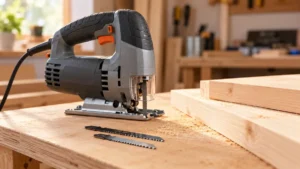
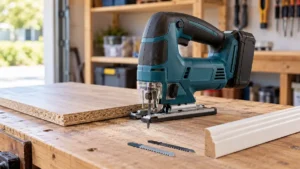
A jigsaw under $50 can handle occasional curves, shelf notches, and home repairs without requiring a battery kit. Useful controls matter more than a large blade count: look for variable speed, a secure blade clamp, and a shoe that supports […]
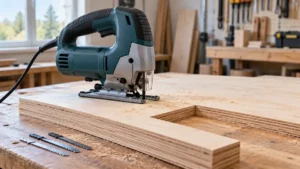
Plywood combines alternating grain directions with a face veneer that can chip as a blade exits the cut. A good jigsaw setup pairs steady speed and shoe support with a sharp blade chosen for the finish you need. The saw […]
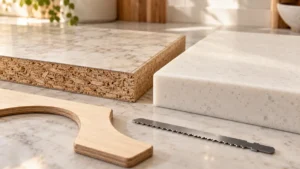
Laminate and solid-surface countertops need different cutting decisions. Laminate usually combines a decorative surface with a wood-based core; solid surface commonly uses a mineral-filled resin sheet. A jigsaw blade rated for one does not establish suitability for the other, and […]
A professional jigsaw needs to do more than cut a curve. Consistent blade guidance, predictable speed control, quick blade changes, and a stable shoe reduce the friction of repeated cabinet, installation, and trim work. The best choice depends on whether […]
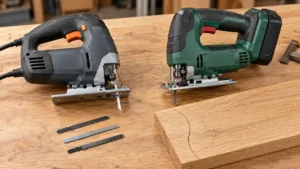
A jigsaw under $100 can handle a surprising amount of home repair, trim work, shelving, craft construction, and basic woodworking. The catch is that low price alone does not tell you whether a tool will suit the job. A corded […]
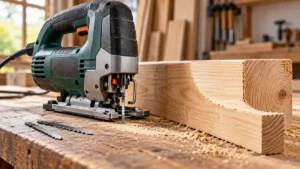
Thick wood exposes a jigsaw blade’s tendency to flex. A saw can follow the line on the top face while the blade wanders underneath, leaving an angled edge. A stiff blade of suitable working length, firm shoe contact, and a […]
A home jigsaw handles the curves and notches that are awkward with a circular saw: shelf corners, cabinet openings, shaped plywood, and small repairs. The most useful model is one that you can set up quickly and control comfortably. Variable […]
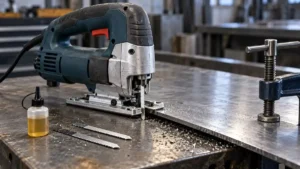
Cutting metal with a jigsaw starts with controlled speed and a blade chosen for the exact material and thickness. Thin sheet needs enough teeth engaged to resist snagging, while profiles and thicker sections need suitable reach and support. The saw […]
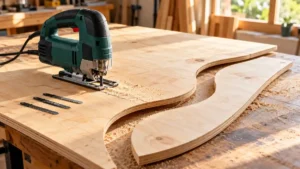
A curved cut can look simple on a pencil line and turn stubborn the moment the blade enters the wood. The jigsaw has to follow the arc without wandering, while the operator manages speed, blade choice, orbital action, and pressure. […]
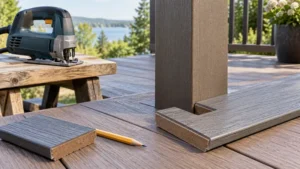
Use a jigsaw for composite-decking notches and curves when the board manufacturer’s instructions permit it. Identify the board’s formulation and cap layer, choose a blade rated for that composite and support the board so the waste cannot break away. Straight […]