Evan Mitchell is a contributor to Jigsaw Gear, where he covers jigsaws, blades, accessories, and woodworking techniques. His writing explores the differences between corded and cordless models, blade compatibility, cutting performance, and the features that matter when selecting tools for different projects.
Through straightforward comparisons and practical guides, Evan aims to make technical information easier to understand, whether readers are choosing their first jigsaw or exploring accessories for more demanding cuts.
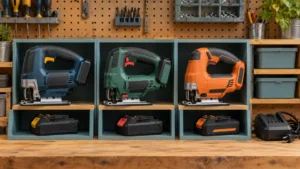
Choose a jigsaw battery platform by the exact batteries and charger you own, then compare the saws available within that system. A brand name by itself is not a compatibility specification. Bare tools, kits and aftermarket tools can look similar […]
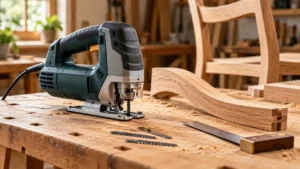
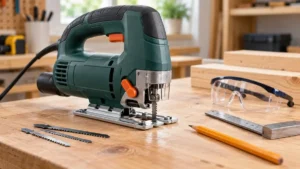
A woodworking jigsaw earns its place in a shop by handling the cuts that resist a table saw or circular saw. Curves, sink openings, interior cutouts, short bevels, and shaped furniture parts all become more manageable with the right tool […]
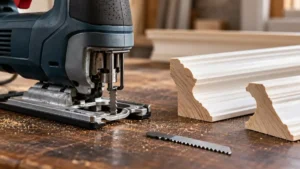
Coping a molding joint asks a jigsaw to follow a shaped line while removing material behind the visible edge. Grip access, predictable speed, and the ability to steer a narrow blade matter more than raw speed. A low barrel grip […]
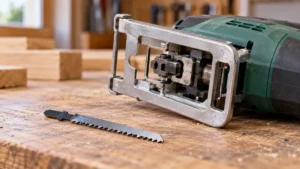
To change a jigsaw blade, disconnect the tool from its power source, allow the blade to cool, open the blade clamp, remove the old blade, and install a compatible replacement. Lock the clamp, then pull gently on the blade to […]
The best beginner jigsaw is one whose controls make sense before the blade touches the board. A stable shoe, a visible pencil line, and a convenient blade clamp make learning easier. Variable speed lets you start deliberately, and a supported […]
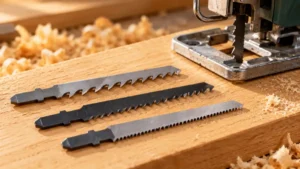
A jigsaw can turn a plywood panel into a smooth curve, a hardwood board into a shaped component, or a laminate sheet into a clean opening, but the blade controls much of that result. The best jigsaw blades for wood […]
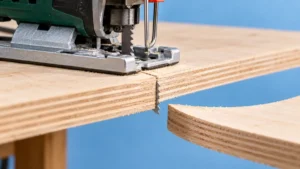
A plywood project can go from clean and crisp to fuzzy and splintered in a few seconds, especially near the exit side of a cut. The right jigsaw blade helps control that problem, but plywood varies widely. Thin cabinet panels, […]
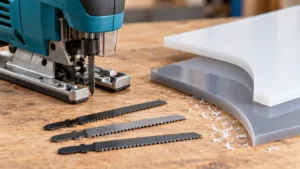
To cut plastic with a jigsaw, identify the plastic, use a blade rated for that material and thickness, clamp it against vibration and test speed and feed on scrap. Melting and cracking are different faults: one often points toward heat […]
Plastic can punish the wrong jigsaw blade in a hurry. A coarse wood blade may grab the sheet, melt the cut edge, or leave a jagged path that looks rough under bright light. Acrylic and Plexiglas bring their own challenge […]
To cut curves with a jigsaw, use a narrow blade suited to the material, secure the workpiece, and guide the saw with slow, gradual turns while keeping the baseplate flat. Match the curve to the blade’s turning capability. If the […]